If you have not noticed in the hubbub of Apple’s Vision Pro grand release, in October 2023, Raspberry Pi Ltd. has launched yet another credit card-sized powerful computing platform called Raspberry 5. Yes, there have been five successful platforms before, starting back in 2012.
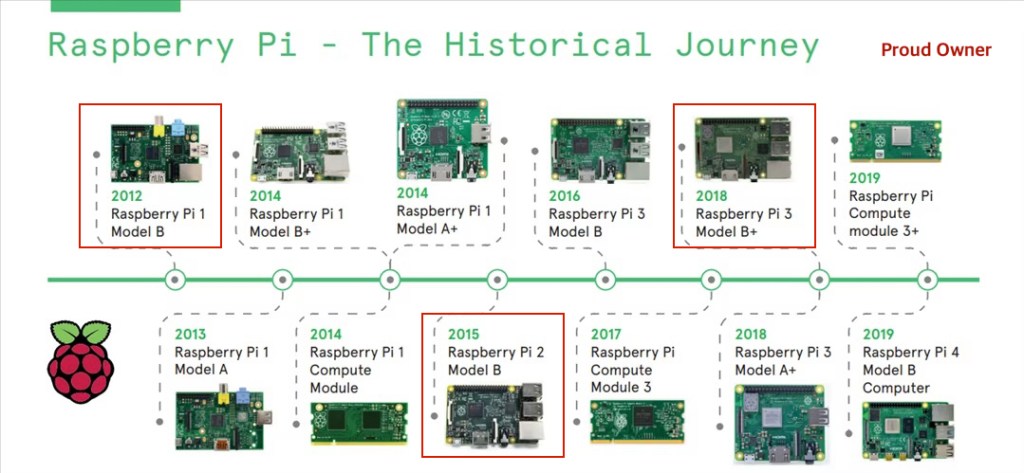
Source: http://tinyurl.com/4nymcwrv
Don’t be fooled by the size of this device. Raspberry is the king for developing prototypes, whether it’s for silicon manufacturers testing out a new silicon platform or hobbyists tinkering away to solve a real-life problem. Due to the Linux-based open-source software called Raspbian, almost every existing and upcoming embedded software application works on an RPI. Check out the supported library packages👇
https://www.raspberryconnect.com/raspbian-packages/78-raspbian-libs
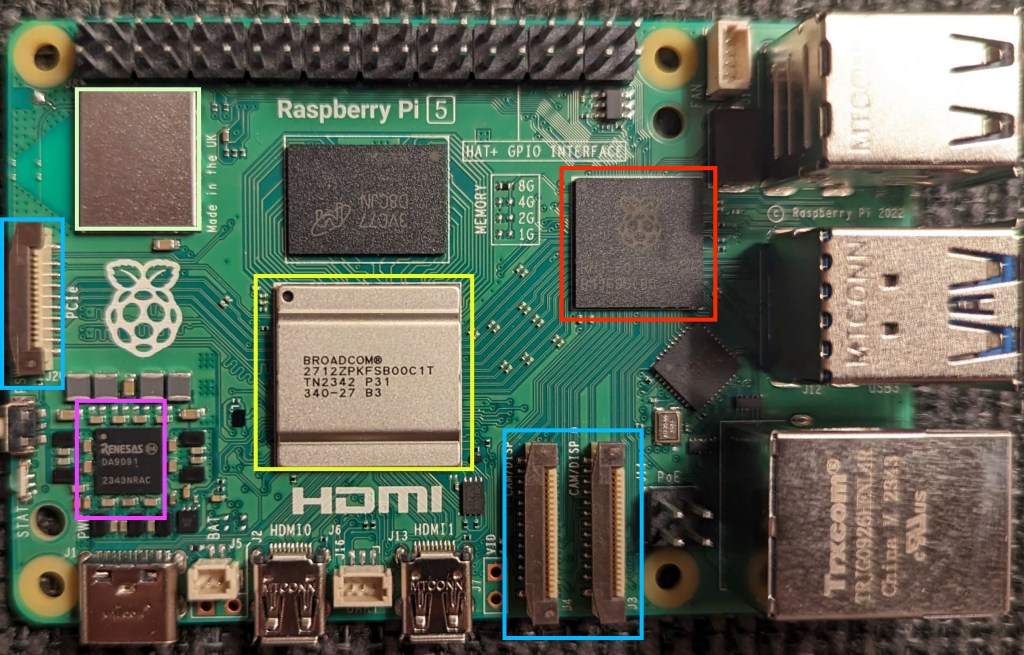
Raspberry 5 is just not a step update to the family, it comes with a host of I/O peripherals and 3 custom made chips:
RP1 southbridge: In house I/O and sensor aggregation development which costs RasberryPi 25 million dollars. It aggregates I/O peripherals such as GPIO, MIPI ( camera), ethernet (USB), analog audio and TV.
BCM2712 – 64 bit quad core A76 @2.4GHz CPU with integrated GPU capable of delivering 2 4K60fps output display over micro HDMI ports
DA9091 (Dialog was acquired by Renesas) quad phase power supply capable of delivering upto 17 A of current to the CPU for intense compute.
The best part of this RPI version is that it has made PCIe slot available ( upto 3.0). When paired with another PCIe based Tensor Processing unit(TPU) or a Neural processing Unit (NPU), it unleashes a very powerful platform for prototyping edge computing use-cases.
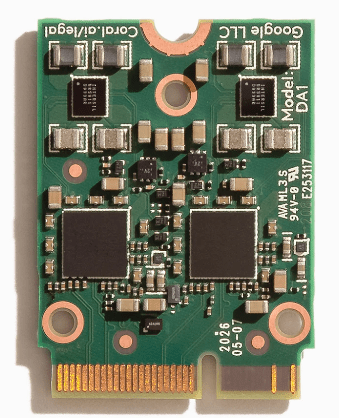
Source: 35 dollar Google Coral TPU
RPI5 is an excellent platform to try out various edge computing usecaes such as audio/vision processing and deploying Large Language Models (LLMs) on the edge. Contact us to learn more about how to bring AI/ML to your edge computing device.

 Sarodeoverwireless Consulting
Leave a comment