Author: SARODEOVERWIRELESS CONSULTING
-

Wi-Fi updates Quality of Service-MSCS
Recently, the Wi-Fi Alliance launched a certification program called Wi-Fi Quality of Service (QoS) Management which is a major update to the very popular Wi-Fi Multimedia (WMM). The WMM program was launched in 2004 to improve the user experience of audio/video streaming over Wi-Fi by creating 4 medium access categories – Audio, Video, Best Effort and Background…
-
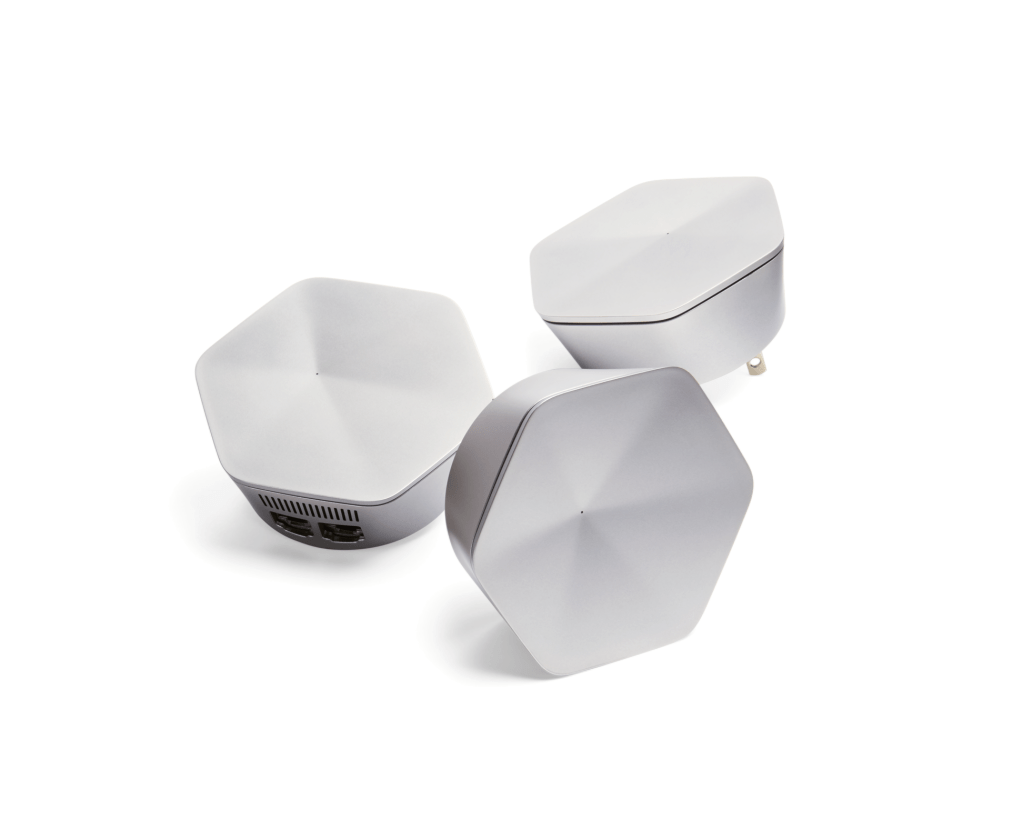
Why every home needs a Wi-Fi mesh system
Recently, I got an opportunity to test the performance of Wi-Fi mesh pods in my humble two-storied Dutch ‘hoekhuis’ built in 1908. We got two workplaces in our home, one in the living room (ground floor) and the other upstairs in our study room (1st floor). Our house has wooden flooring, concrete outer walls, and…
-
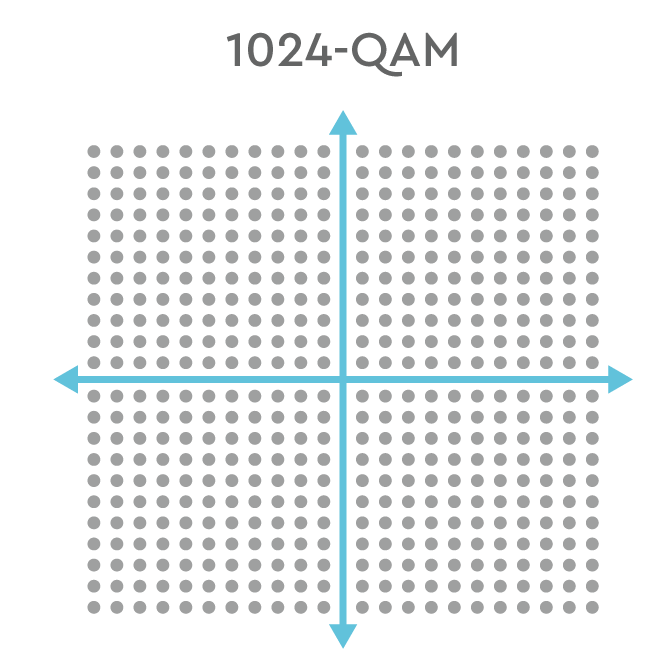
Wi-Fi6 1024 QAM and EVM
Error Vector Magnitude (EVM) is a single most important performance metric of Wi-Fi systems, which gives a comprehensive indication of the quality of the Wi-Fi hardware. The transmitter chain silicon design; RF Front End(RFFE) components (filters, power amplifiers, matching and diplexers) and antennas, all add noise to the Wi-Fi system. Measuring EVM will tell you…
-

Wi-Fi6 MAC and efficiency
In my last blog, we talked about the throughput gains due to efficiency improvements in PHY layer of Wi-Fi6. I wanted to follow up with some discussions on hardware challenges and practical benefits of 1024 QAM (aka MCS 11) in this blog, but I think it is good to discuss the impact of Wi-Fi MAC…
-
Wi-Fi6 PHY and OFDM efficiency
The Wi-Fi alliance started the Wi-Fi6 certification program in late 2018. Wi-Fi6 is based on IEEE’s 802.11ax standard which has introduced many PHY and MAC level efficiency improvements such as 1/4 Sub-carrier spacing 1024 QAM (MCS 11) Upto 8 spatial Streams OFDMA (Downlink and Uplink) MU-MIMO (Downlink and Uplink) BSS coloring Target Wake-up Time In…

 SARODEOVERWIRELESS
Digital Technology Consulting
Discover the value of embracing emerging technologies in your products and software services
 Sarodeoverwireless Consulting