Category: Digital Transformation
-

Estimating Wi-Fi7 Throughput: A Theoretical Approach
Wouldn’t it be great if you can get a second order estimate of the expected throughput of Wi-Fi7 technology? This can be done even before any investment in a wireless test campaign. Wireless performance tests are expensive, time consuming and cumbersome and are necessary once you get closer to your product form factor. Think about…
-
Multi Access Edge compute
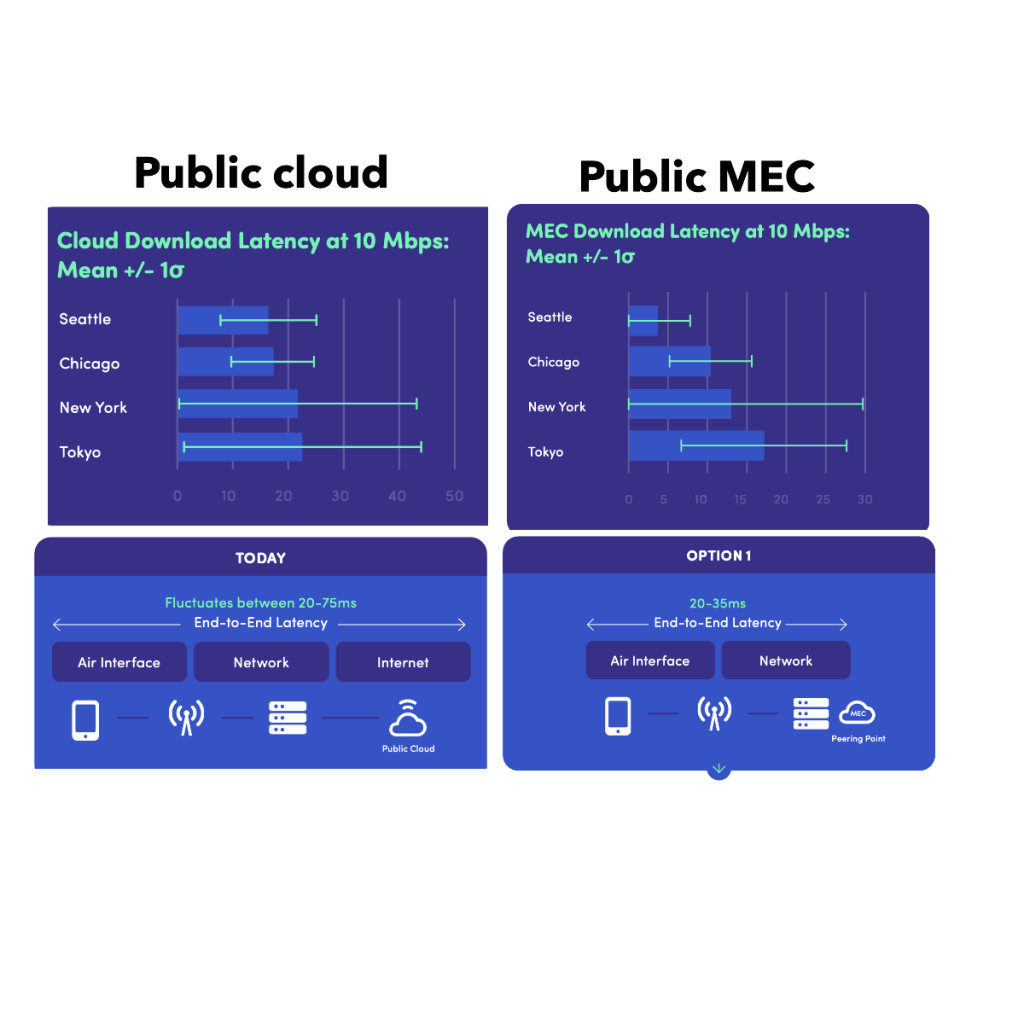
Multi Access Edge compute (MEC) reduces network latency by bringing cloud computing and 5G network operations closer to the RAN. It is meant to support 5G’s ultra reliable and low latency (URLLC) use cases, but tests results show otherwise.Tests from Spirent Communications show that the mean latency does reduce with a public MEC but the…
-

Make Wireless Work-WPA3
Wi-Fi Protected Access 3 (WPA3) is the latest update to Wi-Fi security supported by some Wi-Fi5 and all Wi-Fi6, Wi-Fi7 certified devices. Unlike mere version updates, WPA3 emerges after a 15-year tenure of WPA2, addressing inherent vulnerabilities well-known within the networking industry. WPA2 is vulnerable to dictionary attacks, brute force attacks, and the most famous-Key…
-
Make Wireless work- EIRP and TRP
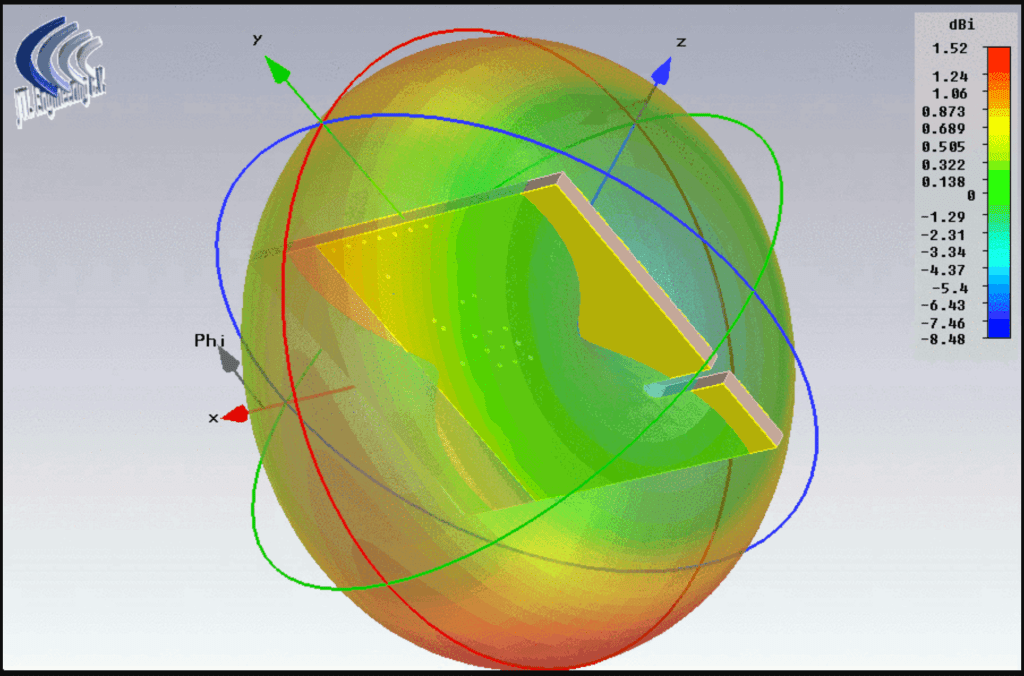
As a Product Manager building a wirelessly connected device, you may have experienced the satisfaction of passing FCC or ETSI certifications with flying colors, only to be confronted with the disappointment of receiving bad reviews due to suboptimal wireless performance from customers. Worry not; let’s explore how you can build great wireless products by understanding…
-
Make Wireless work – OpenWRT
Are you building an innovative digital solution as part of a digital transformation project in your organization, involving IoT sensors, Wi-Fi, or 5G networks, and a cloud dashboard? OpenWRT provides engineers and developers with an open networking platform to build prototypes for customers and showcase the technology to stakeholders. An IoT deployment usually consists of…
-
Make wireless work – RF return loss
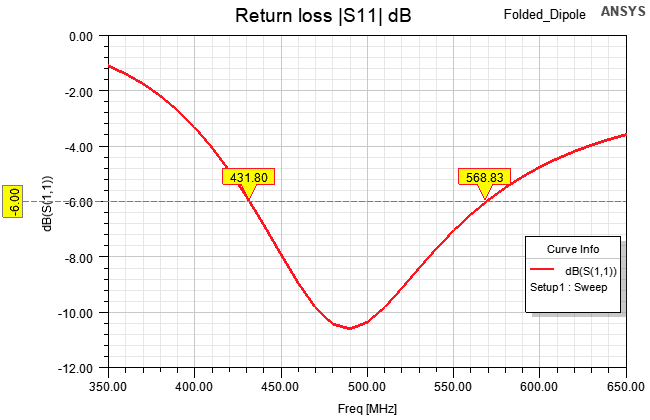
In this series of blogs, I would like to share my learning and experience in architecting various wireless-connected products such as IOT sensors, gsteways, Wi-Fi gateways and Smart voice assistants. RF architecture design is often one of the most fascinating yet challenging aspects of product design, where architects have to juggle many specifications to find…
-
Why every home needs a Wi-Fi mesh- Statistical analysis
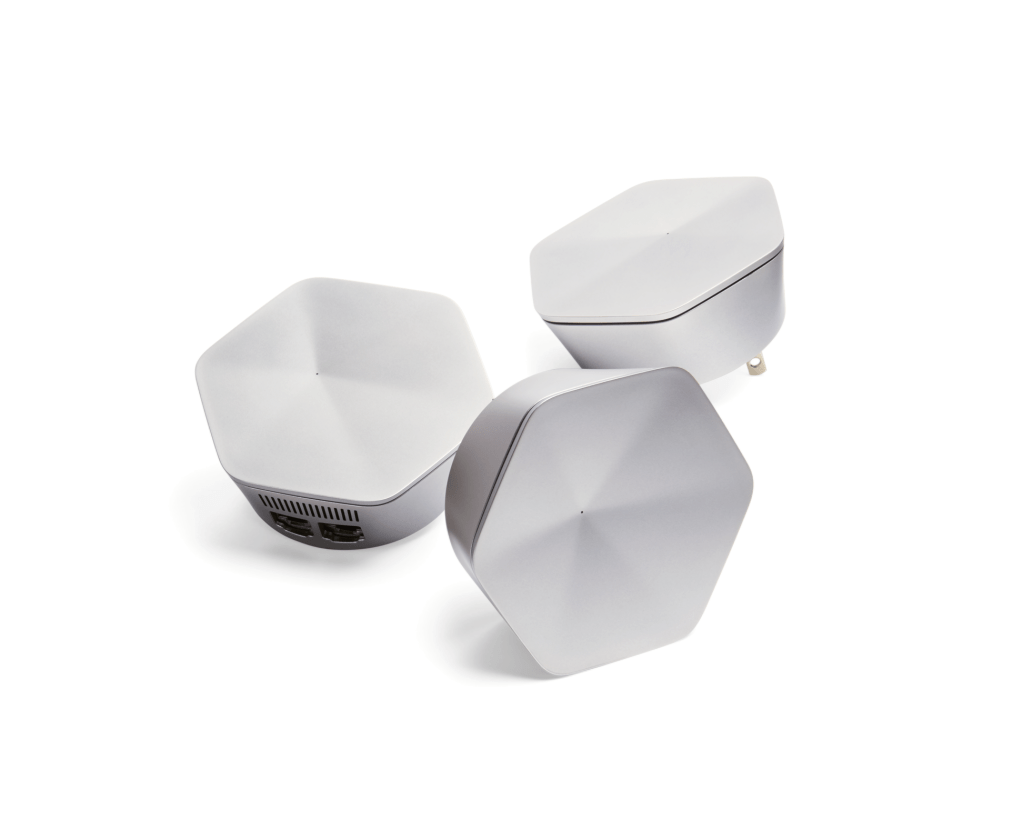
Recent discussions on latency management of a Wi-Fi network with an industry expert (Magnus Olden, Domos) led me to revisit my previous blog post in which I had compared latency, jitter, and packet loss data of my standalone AP with a Wi-Fi mesh system. The time domain graphs showed visual improvements in latency, jitter, and…
-

Wi-Fi updates Quality of Service-MSCS
Recently, the Wi-Fi Alliance launched a certification program called Wi-Fi Quality of Service (QoS) Management which is a major update to the very popular Wi-Fi Multimedia (WMM). The WMM program was launched in 2004 to improve the user experience of audio/video streaming over Wi-Fi by creating 4 medium access categories – Audio, Video, Best Effort and Background…
-
Why every home needs a Wi-Fi mesh system
Recently, I got an opportunity to test the performance of Wi-Fi mesh pods in my humble two-storied Dutch ‘hoekhuis’ built in 1908. We got two workplaces in our home, one in the living room (ground floor) and the other upstairs in our study room (1st floor). Our house has wooden flooring, concrete outer walls, and…
-
Wi-Fi6 1024 QAM and EVM
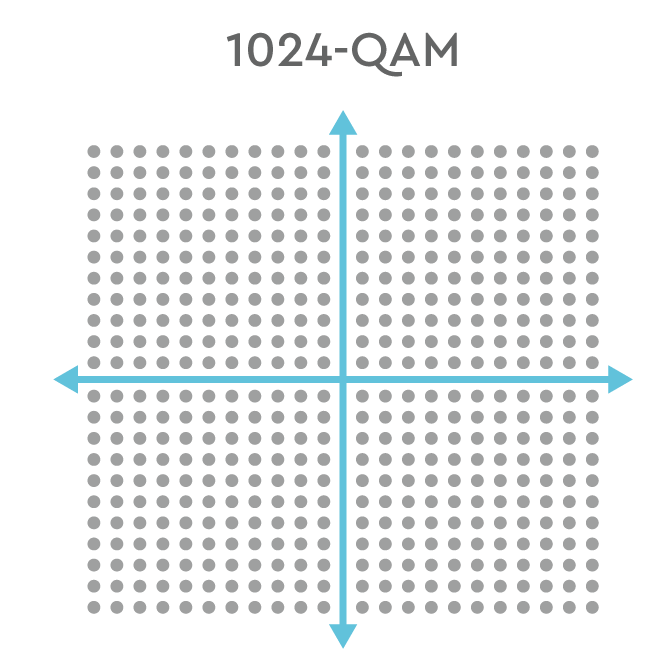
Error Vector Magnitude (EVM) is a single most important performance metric of Wi-Fi systems, which gives a comprehensive indication of the quality of the Wi-Fi hardware. The transmitter chain silicon design; RF Front End(RFFE) components (filters, power amplifiers, matching and diplexers) and antennas, all add noise to the Wi-Fi system. Measuring EVM will tell you…

 SARODEOVERWIRELESS
Digital Technology Consulting
Discover the value of embracing emerging technologies in your products and software services
 Sarodeoverwireless Consulting